 A Voice Across Generations
A child's right to ask
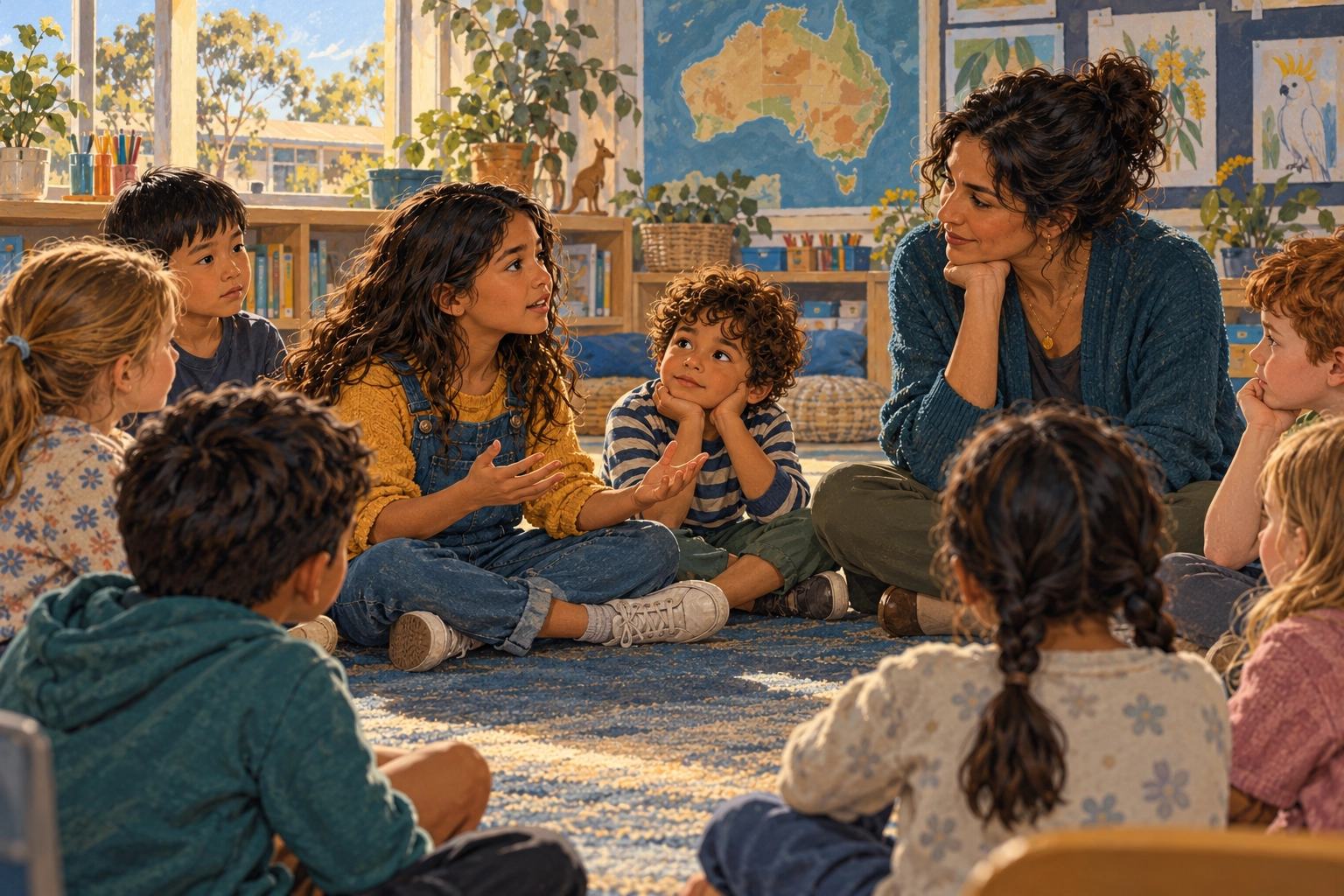
A child asking “why?” can be looking for an explanation, testing a boundary or trying to tell us that something feels wrong. Sometimes the adult is tired. Sometimes there is an urgent task to finish. We will not conduct every family decision as a public inquiry.
But the pattern of our answers teaches something.
If questions repeatedly bring ridicule or punishment, a child may learn to keep them private. If an invitation to speak is followed by indifference, they may learn that participation is a performance adults expect. If an answer explains the reason and leaves room for another question, they have a different experience to draw on.
My own experience of institutional authority is one reason this matters to me. I know that power over a child and care for a child cannot simply be assumed to mean the same thing. I want a child to be able to question an adult, seek help and have a concern taken seriously. They should not have to prove themselves obedient before they are heard.
That does not mean giving children responsibility for decisions adults are obliged to make. It means explaining what is open for discussion, what is constrained and why. An adult may have to say no. The explanation can still recognise the child as someone affected by the answer.
Consider a school asking pupils how to improve a shared space. Before asking for suggestions, it could explain the available money, safety requirements and who will decide. Children could contribute in different ways: speaking, writing, drawing or asking for help. Afterwards, they could see what was suggested and how the decision was reached.
The distinction matters when a suggestion cannot be adopted. “We cannot afford it this term” gives a child something to understand and perhaps revisit. Silence leaves them guessing whether anyone listened.
The lesson also includes hearing other people. One child may want a noisy game; another may need somewhere quiet. Counting hands can reveal a preference, but it will not tell us everything about whose needs have been overlooked. The adults still have responsibilities to those children, including the ones who struggle to explain themselves.
Nor should a child have to disclose private family or health information to the class to make a need credible. There should be a supported way to raise a concern without making their personal history the price of admission.
We can practise these habits while remaining open to criticism ourselves. I would not want a lesson about participation to require children to agree with my political views. They should be able to examine my proposal, find its weaknesses and suggest another approach. Otherwise I would be asking them to rehearse agreement while calling it freedom to question.
The same applies as they grow older. A useful education would help them ask what evidence supports a claim, who is affected by a proposal and how its results could be checked. It would give them practice in changing their minds without humiliation. It would also show that an unresolved disagreement can be recorded honestly.
Those habits could travel with them into work, family life and public decisions. They could become adults who expect reasons and know they owe reasons to others. Whether that happens would depend on what people actually experience, well beyond a classroom exercise.
In the next chapter, we meet Mia and her younger brother, Sam. Their mother, Leah, hears about a school consultation that has left Mia doubtful. The children were asked what they wanted, but cannot see how their suggestions relate to the result.
It is a small question with a long future: if you ask us to contribute, how will we know what happened to our contribution?